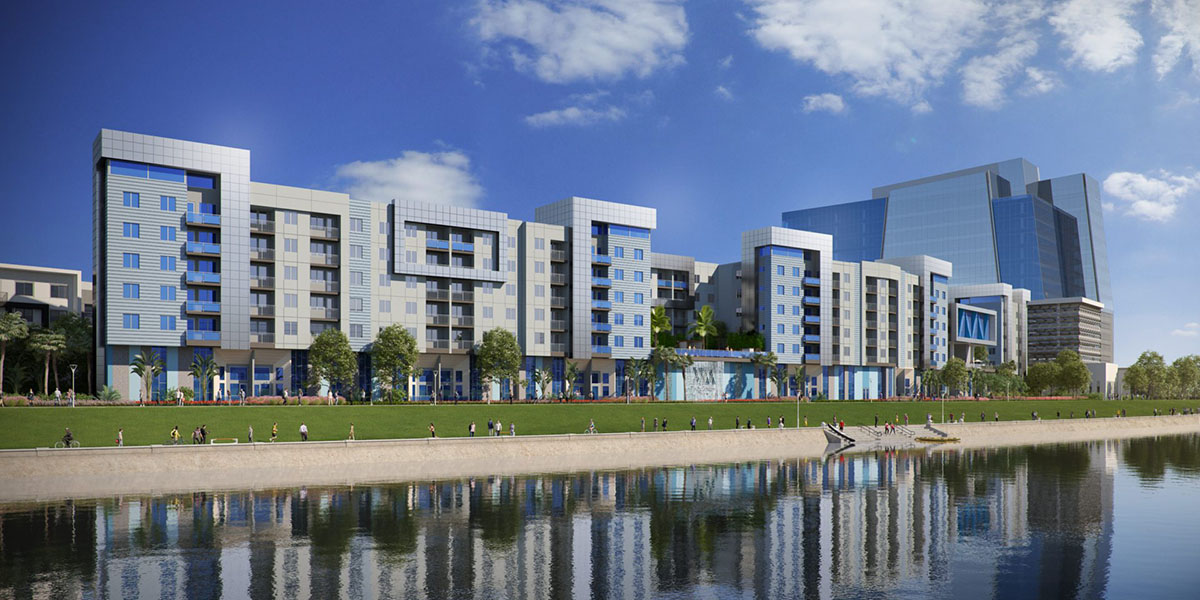
Owning a home is not everyone’s dream. Why buy and pay for repairs and taxes when you can rent and let someone else handle it all? True, there are pluses and advantages to both owning and renting, but when you consider moving to a new city, renting is always the best option. Here are five reasons why Palm Gardens RV Park is appealing to the masses:
1. You’re Not Tied to One Area
There is nothing worse than buying a home and finding out that you don’t like the area or your neighbors. When you rent a luxury apartment, you can pick up and move when your lease is up. You are not tied down, and you have flexibility. Owning a home puts a lot of restrictions on your family that you may not want in the short term.
2. Someone Else Pays the Maintenance Costs and Repair Bills
If the HVAC system malfunctions in a home you own, you may need to shell out thousands of dollars to get it fixed. What if the house floods and causes significant damage? Sure, you have insurance, but you must pay deductibles and deal with contractors. Having a landlord means more than just having someone to collect the rent.
Landlords deal with all the stressful things about ownership. You just make a call day or night, and they send someone to fix the problem. It doesn’t cost you anything. Repairs can be quite extensive and expensive, but renting a luxury apartment puts the responsibility on someone else.
3. Forget Real Estate Taxes

Currently, Arizona cities charge a tax rate of .87 percent through 1.5 percent of the value of the home. It’s a heavy burden to add to an already high mortgage. Property taxes are a substantial financial burden as the costs of homes keep increasing. When you are a renter, you don’t need to worry about the taxes at all. You just pay your rent, and the landlord takes care of all the extra costs associated with the building.
4. You Don’t Need A Big Down-payment
One of the worst parts about buying a home is coming up with a substantial down payment. When you are renting a luxury apartment, you only need the deposit and first month’s rent. There may be some other small fees, like pet costs, but it’s nowhere near what you will pay to purchase a house. Save your money to explore the town, and it’s always wise to build a nest egg for when the time is right to buy.
5. You’ll Have Expensive Amenities You Can’t Live Without
One thing that makes renting in a luxury situation more appealing than buying is that you get access to amenities. Putting an in-ground pool in your backyard can cost tens of thousands of dollars. However, if you choose the right location, you can have more than one pool to enjoy.
What about a fitness facility? It’s expensive to buy one piece of equipment let alone a vast selection. It’s just another offering of a high scale apartment community. It’s easier to pay a small monthly fee to access all these things rather than the high installation and maintenance costs. If you’re looking to build a home you can visit Cullum Homes.