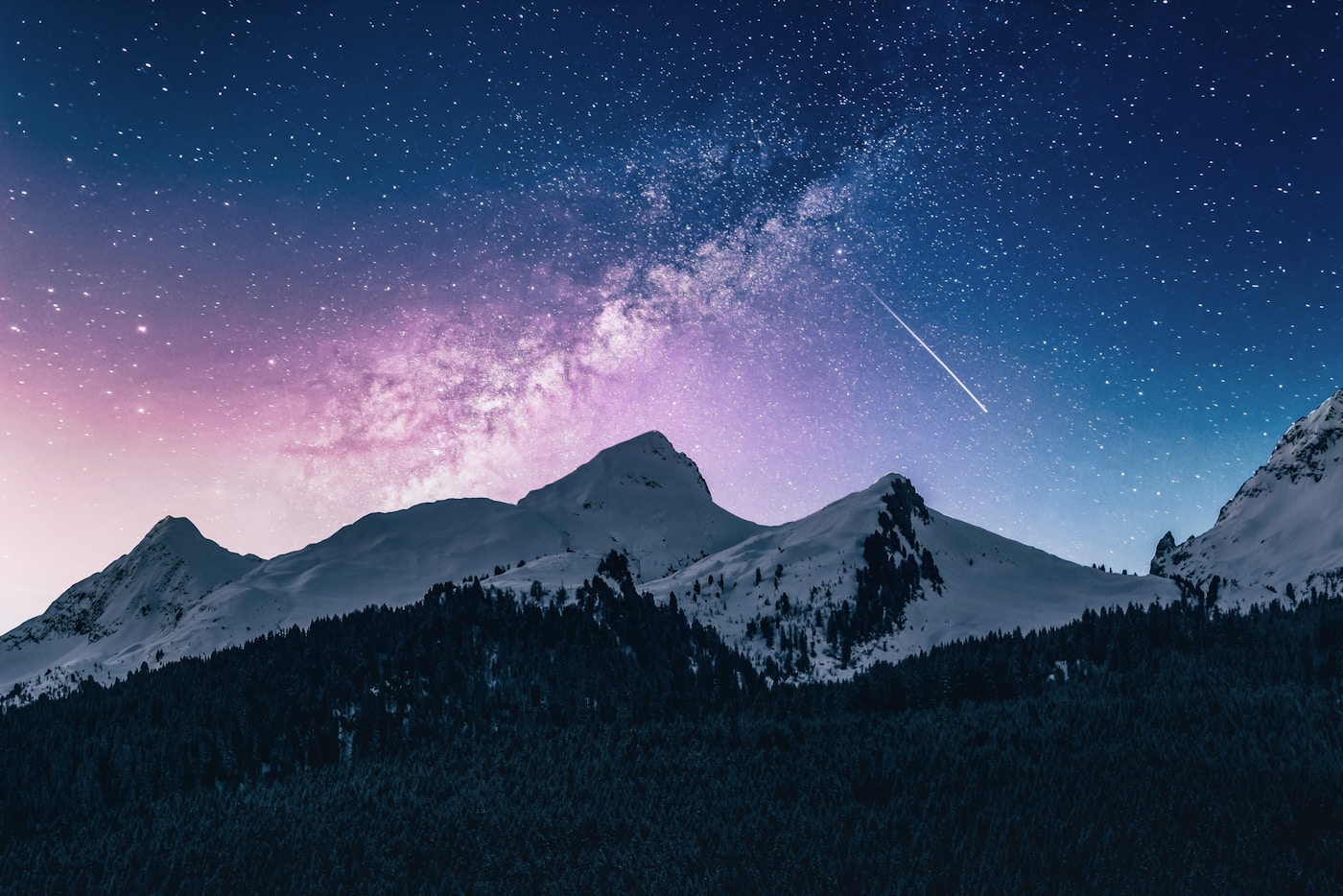
Arizona Stargazing Spots: Best Dark Sky Locations for Night Photography
Arizona contains more International Dark Sky certified locations than any other state—a product of low humidity, high elevation, clear skies averaging 300-plus nights per year, and proactive light-pollution ordinances in communities like Flagstaff and Sedona. For photographers and casual stargazers alike, this density of dark-sky access means the Milky Way core is visible with the naked eye from sites less than 90 minutes from a Scottsdale vacation rental.
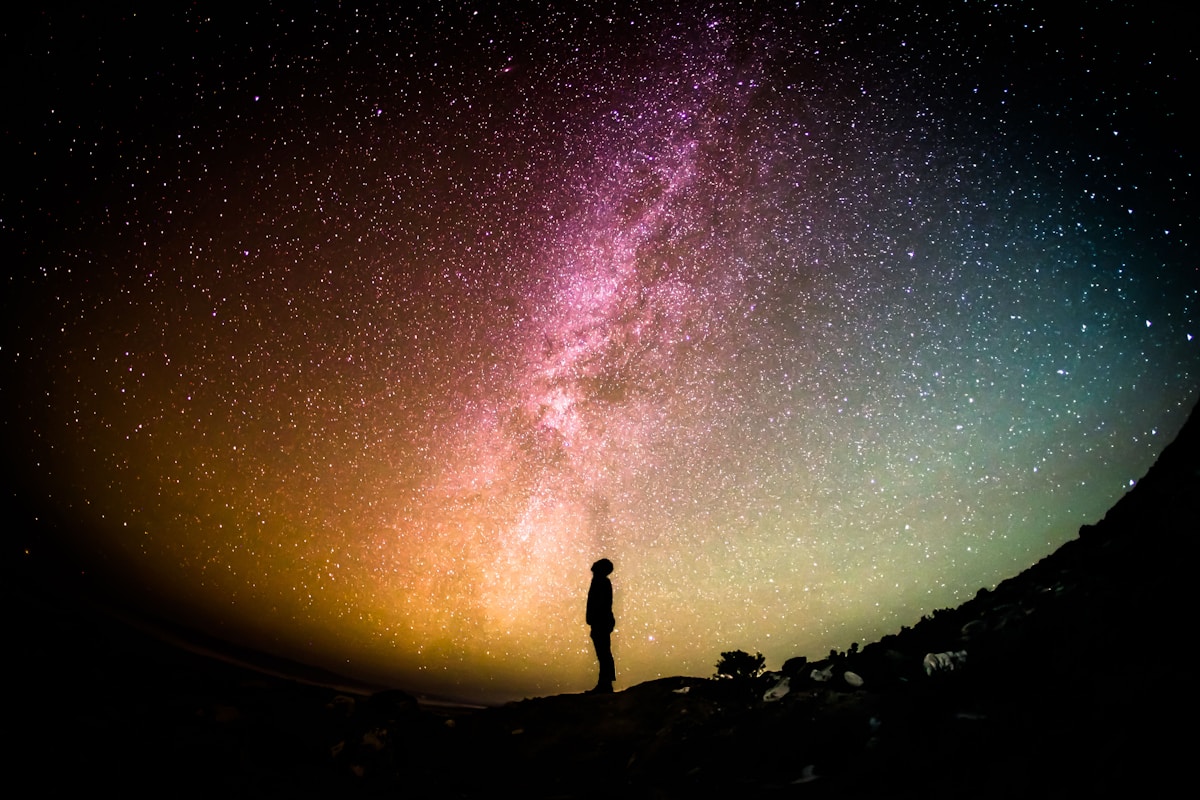
Flagstaff: America’s First International Dark Sky City
Flagstaff earned its dark-sky designation in 2001 and has maintained strict lighting codes ever since. Lowell Observatory, where Pluto was discovered in 1930, offers public telescope nights that book out during peak season. For photographers, the best spots are on the outskirts of town: Sunset Crater Volcano National Monument provides volcanic foreground against the Milky Way, while Lockett Meadow in the San Francisco Peaks offers alpine scenery.
Sedona: Red Rocks Under the Stars
Sedona earned its dark-sky community designation in 2014, and the contrast of illuminated red rock formations against a starry sky creates compositions unavailable anywhere else on earth. Airport Mesa and Cathedral Rock are popular foreground locations. Combine a stargazing night with a Sedona day trip or overnight from Scottsdale for the full experience.
Kartchner Caverns State Park: Underground and Overhead
This state park south of Tucson pairs underground cavern tours during the day with astronomy programs after dark. The park’s relatively low visitation compared to Sedona or Flagstaff means less light interference from vehicles and campgrounds, and the elevation of roughly 4,500 feet provides excellent atmospheric clarity.
Night Photography Settings and Gear Tips
- Use a fast wide-angle lens (f/2.8 or wider) to capture the Milky Way core without trailing
- ISO 3200 to 6400 with 15 to 25 second exposures depending on focal length (use the 500 rule to avoid star trails)
- Bring a headlamp with a red-light mode to preserve night vision while adjusting gear
- A sturdy tripod rated for wind resistance—desert gusts can ruin long exposures
- Arrive 90 minutes after sunset and stay until astronomical twilight ends for the darkest conditions
Pair your stargazing trip with daytime adventures: explore historic ghost towns en route to dark-sky sites, or cool off at natural swimming holes before an evening session under the stars.