What to Pack for an Arizona Desert Vacation (Seasonal Guide)
Packing for Arizona trips people up because the desert defies assumptions. Visitors arriving in January expect mild weather and freeze at outdoor dinners. Summer travelers underestimate hydration needs and overheat on 20-minute hikes. And nearly everyone forgets that Arizona’s elevation changes create 30-degree temperature swings within a 90-minute drive. This guide covers what to bring season by season, whether you are staying at a family rental in Old Town or a mountain-view retreat in the foothills.
Year-Round Essentials (Every Season)
- SPF 50+ sunscreen—reapply every 90 minutes outdoors, even on cloudy days at altitude
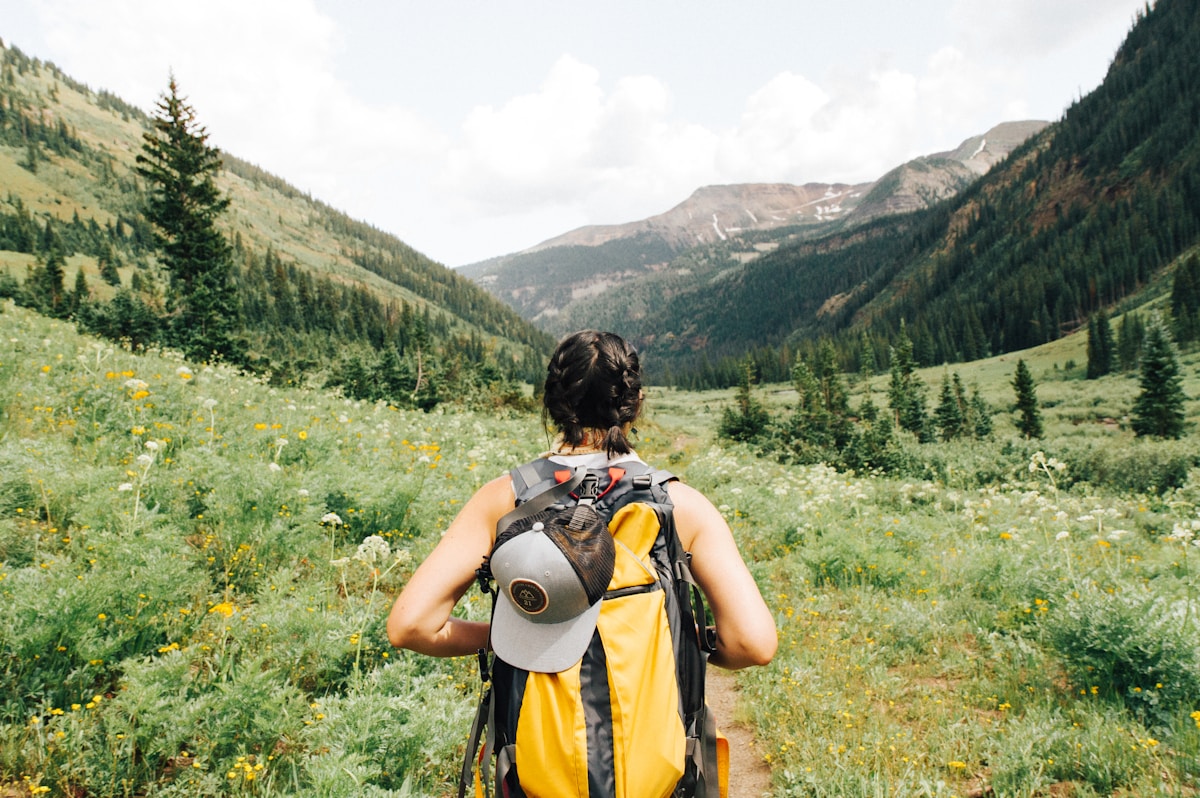
- Wide-brim hat or baseball cap for hiking and poolside
- Reusable water bottle (32 oz minimum; insulated keeps water cold in summer heat)
- Polarized sunglasses—desert glare is intense and contributes to eye fatigue on long drives
- Lip balm with SPF—dry air and altitude dehydrate lips faster than you expect
- A light jacket or layer for air-conditioned restaurants (Arizona interiors are aggressively cooled)
Winter: November Through February
Daytime temperatures range from 55 to 75 degrees in the Phoenix metro, dropping to the 30s and 40s at night. If your trip includes stargazing excursions or sunrise balloon rides, pack a warm fleece or down jacket—pre-dawn temperatures regularly dip below 40. Day trips to Sedona or Flagstaff require an additional warm layer, as those destinations sit 2,000 to 5,000 feet higher than Scottsdale and can see snow.
Spring: March Through May
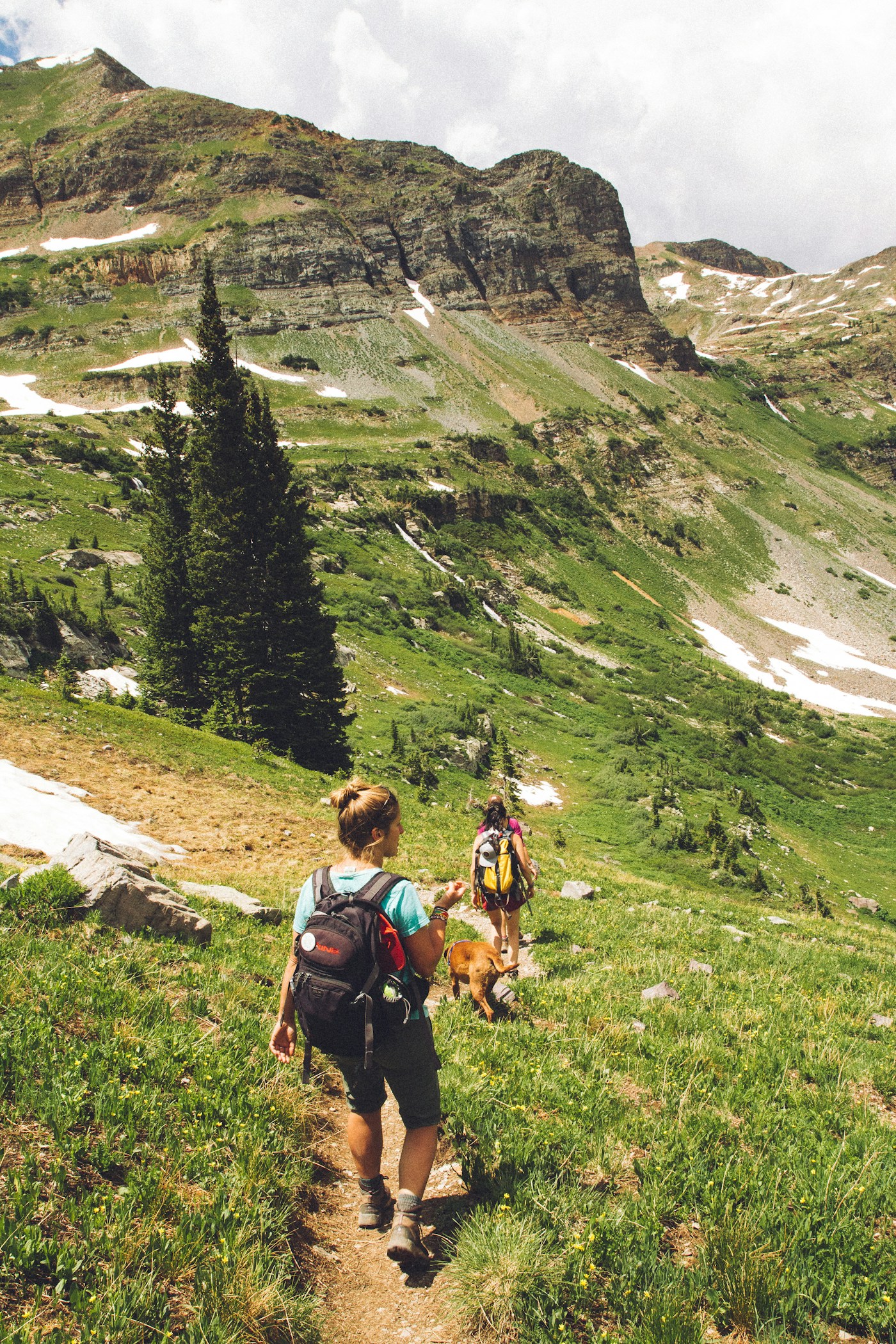
The most forgiving season for visitors. March temperatures average 75 to 85 degrees, climbing to the low 90s by May. Pack hiking-appropriate clothing (moisture-wicking fabrics, trail shoes with ankle support) if you are planning swimming hole hikes or ATV trail days. Wildflower season peaks in March—bring a camera with macro capability if desert blooms interest you.
Summer: June Through September
Heat is the defining factor. Pack the lightest, most breathable clothing you own—linen, cotton, and technical moisture-wicking fabrics. Long sleeves in lightweight fabric actually keep you cooler than bare skin in direct desert sun. Monsoon season from mid-July through September adds humidity and dramatic afternoon storms, so pack a lightweight rain shell if you plan to be outdoors after noon.
Fall: October
October is the transition month and arguably the most pleasant for outdoor activities. Temperatures drop from the summer highs into the 80s and 90s, nights cool into the 60s, and monsoon storms taper off. Pack versatile layers and comfortable walking shoes for exploring ghost towns and desert trails without the extreme heat that limits summer excursions.
Now that you know what to pack, plan your trip with our booking timing guide and our curated day trip recommendations from Scottsdale.
